
LICENSED ELECTRICAL CONTRACTOR
POWER YOUR SPACE WITH CONFIDENCE.
Licensed electrical services for homes and businesses — from panel and wiring work to lighting, EV charging, renovations and troubleshooting.
Our services
01 / Residential
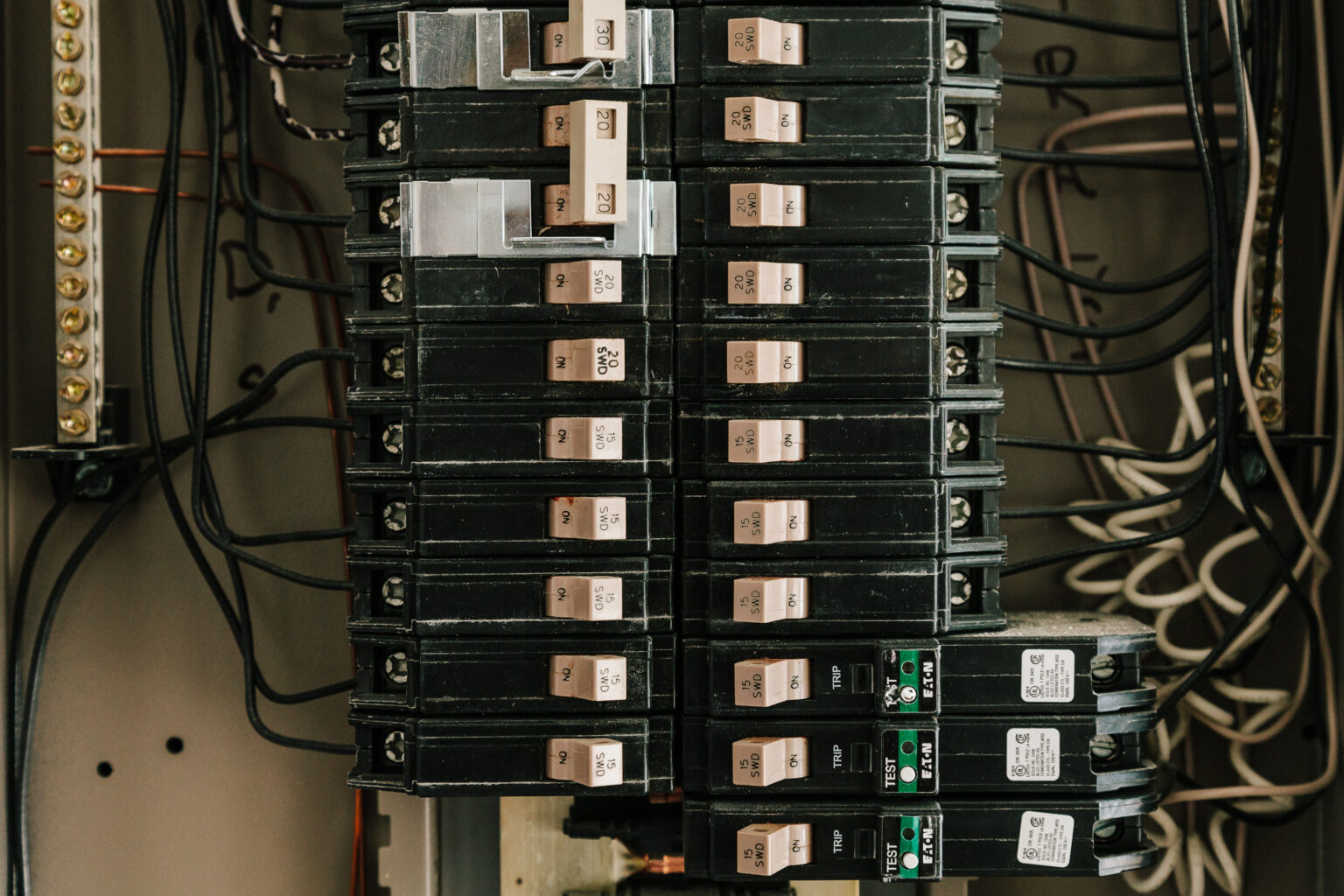
Panels & electrical upgrades
Panel work, service upgrades, rewiring and electrical improvements for safer, more capable homes.
02 / Residential
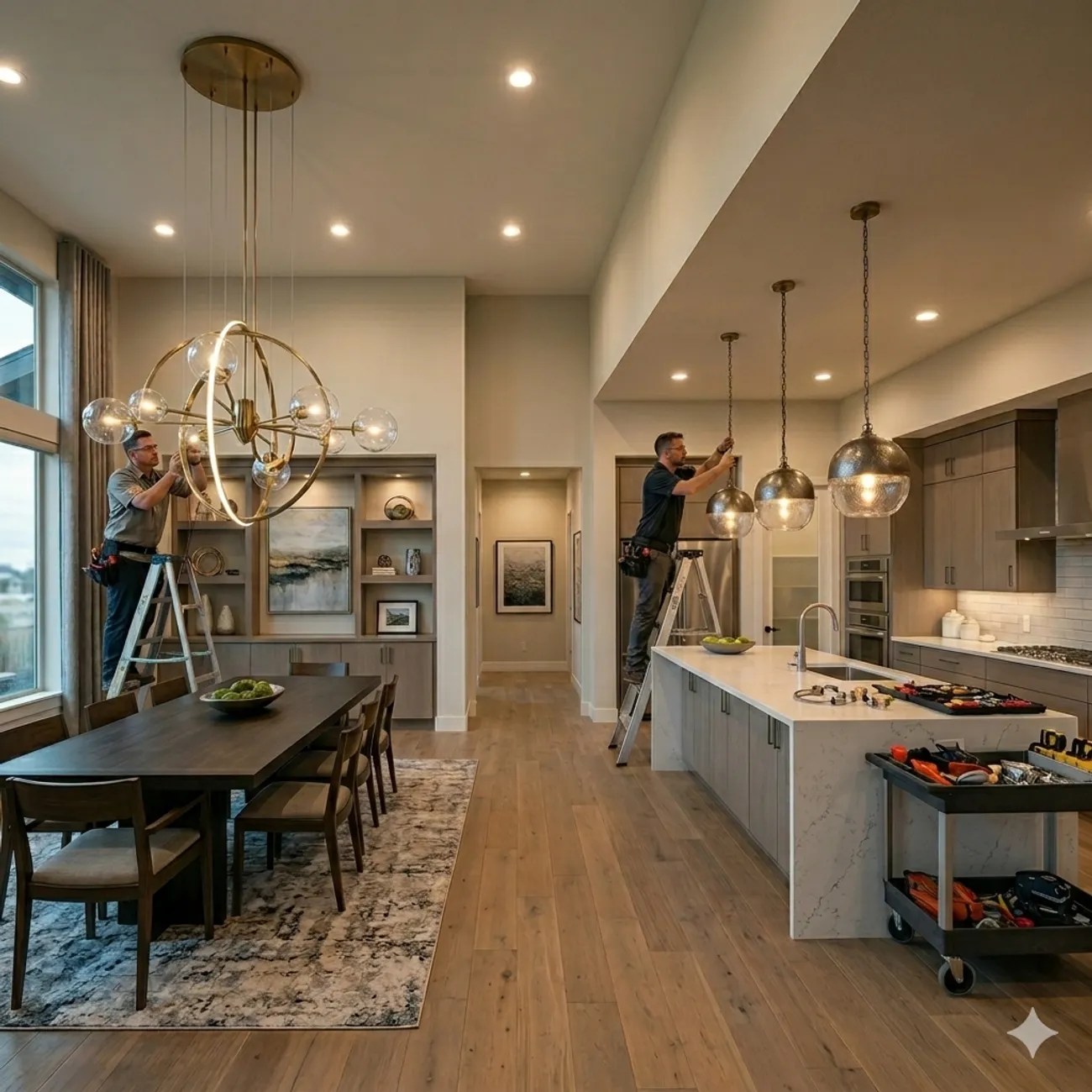
Custom homes, renovations & new circuits
Thoughtful electrical work for custom homes, renovations, kitchens, living spaces, in-floor heating and hot tubs.
03 / Residential + Commercial
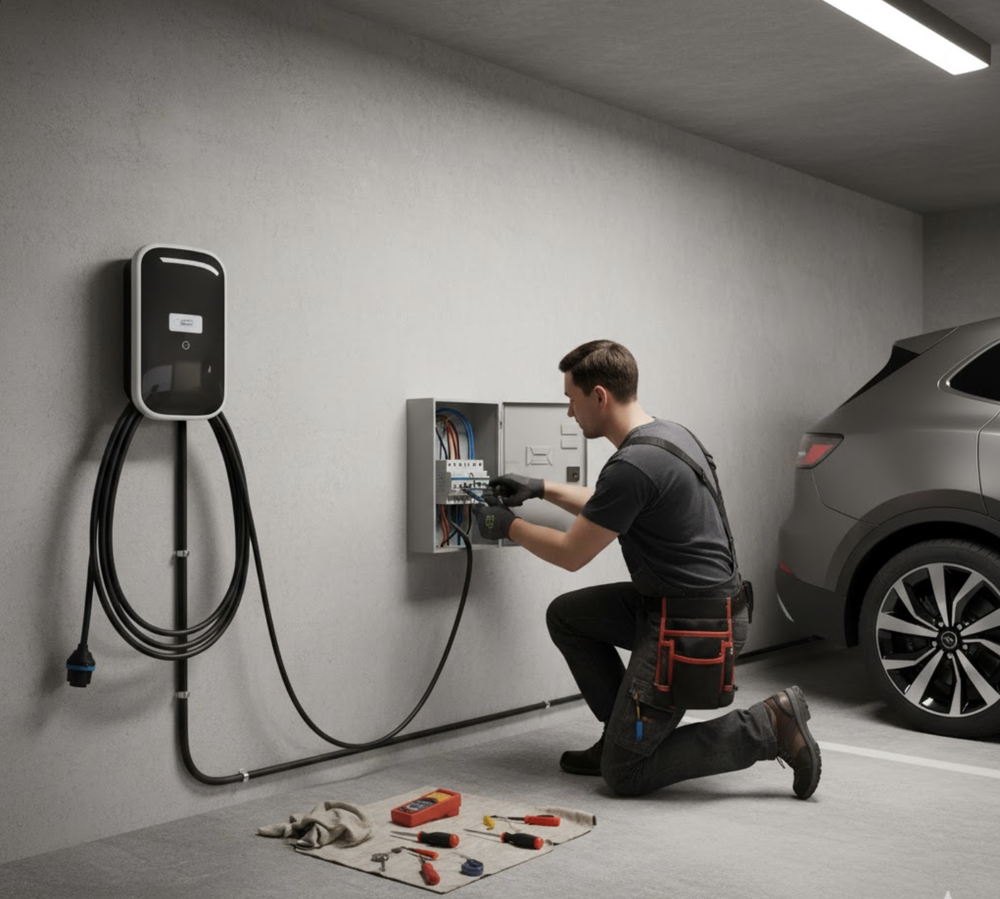
EV charger installation
Charging solutions planned around the property, electrical capacity and the equipment being installed.
04 / Commercial
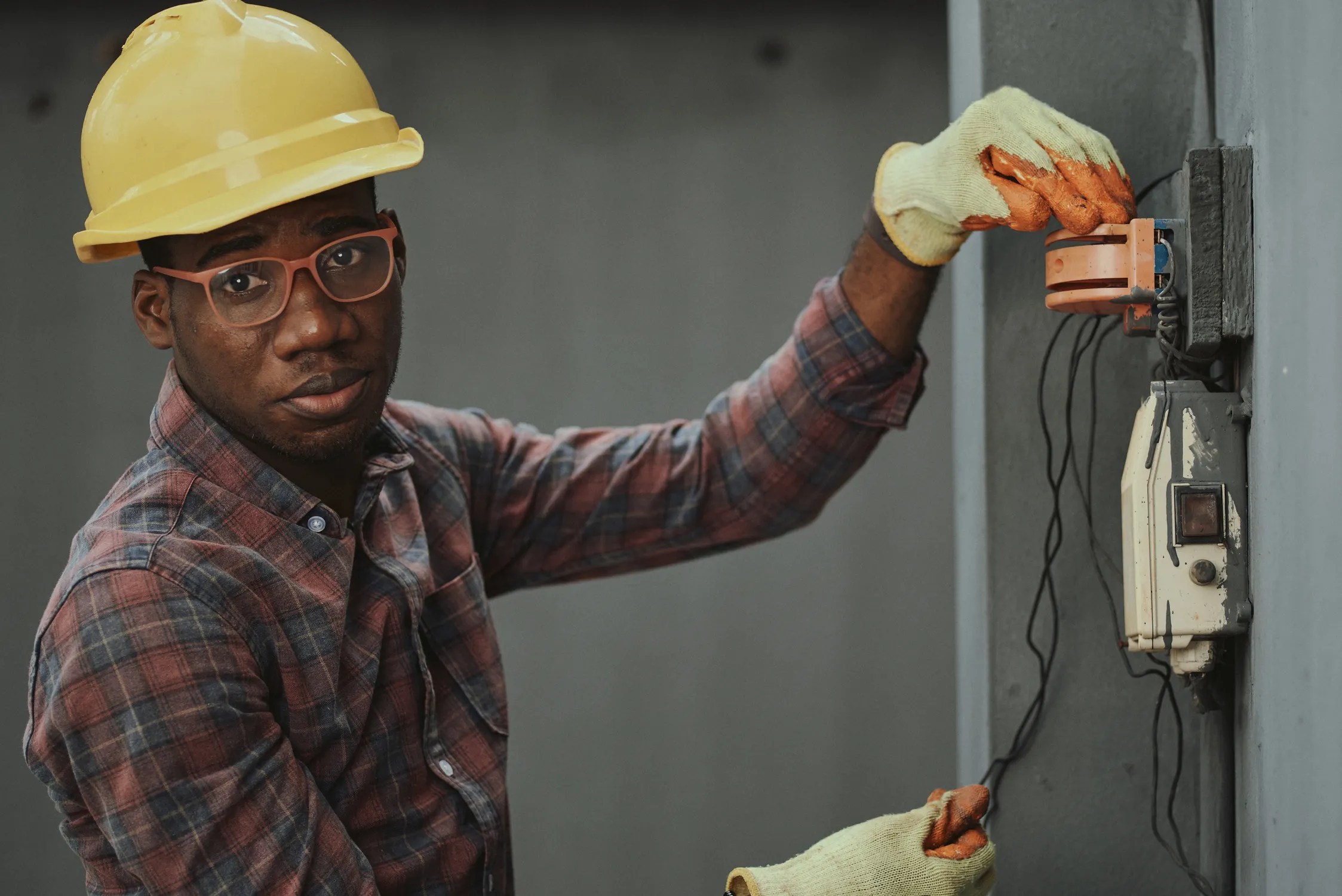
Power, lighting & troubleshooting
Electrical installations, repairs, emergency lighting and exit sign work for business spaces.
05 / Residential
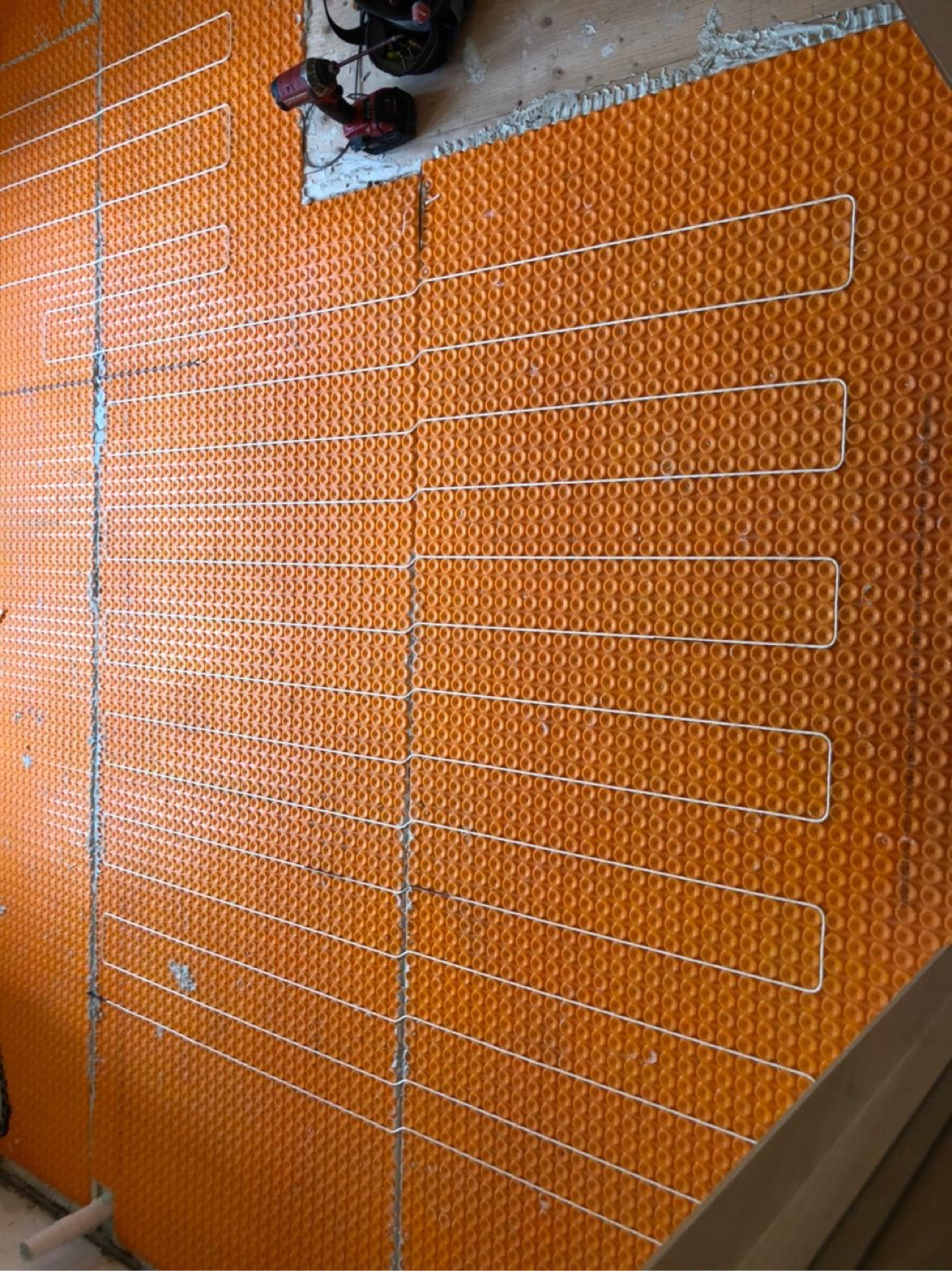
Indoor floor heating installation
Electric radiant floor heating for bathrooms, kitchens and living spaces — warm floors and even, comfortable heat installed under tile, stone or laminate.
06 / Residential
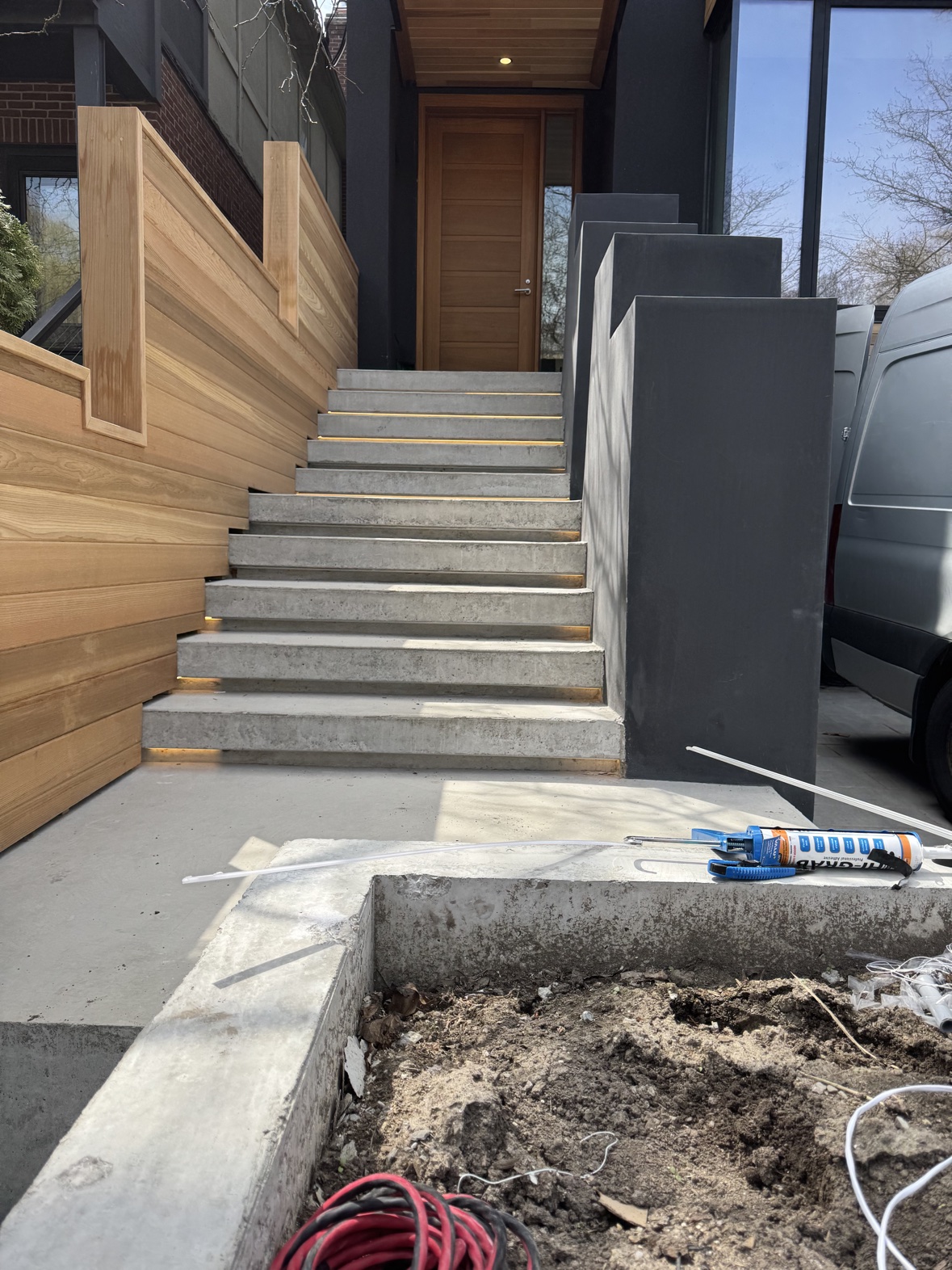
Snow melting
Outdoor radiant heating for driveways, walkways and patios — melts snow and ice automatically so you can skip the shovelling.
About
About HomeTech Secure
HomeTech Secure Inc. is a licensed electrical contractor serving the entire GTA. Led by a Master Electrician with 12+ years of experience in commercial and residential work — specializing in custom homes — our team gets every job done safely, cleanly, and on schedule, and we stand behind our work after it’s done. From panel upgrades, EV chargers, and lighting design to home automation, in-floor heating, and complete commercial systems: we’re accountable, and we respect your time and your budget. ECRA/ESA #7017063.
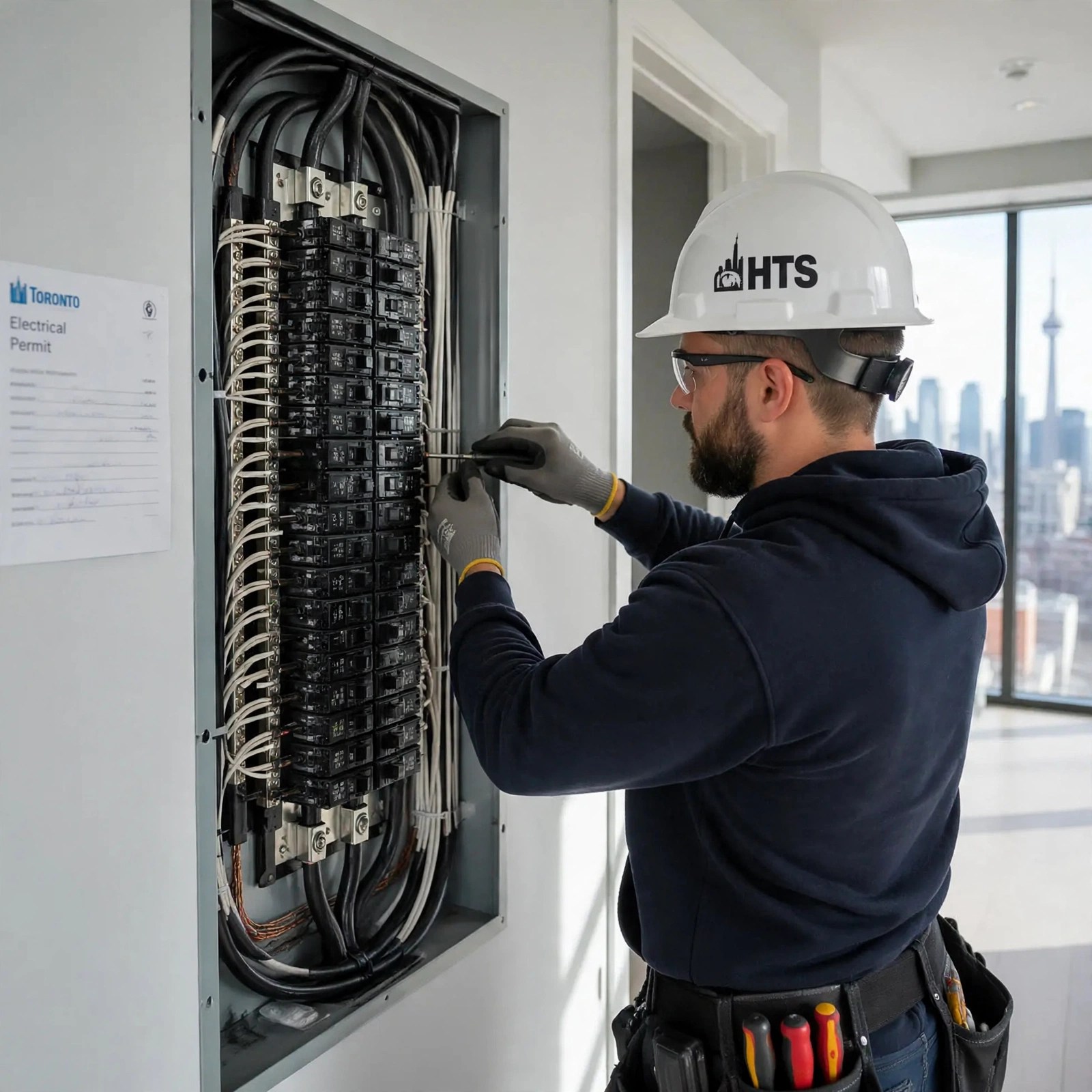
FOR BUSINESSES
Commercial electrical services.
Practical electrical support for offices, retail spaces and other business properties—from planned improvements to troubleshooting and repairs.
- Power and lighting installations
- Electrical repairs and troubleshooting
- Emergency lighting and exit signs
- EV charging for commercial properties
How it works
1. Request an estimate
Tell us about your project using the estimate form or by phone.
2. Assessment and upfront quote
We assess the work and provide an upfront quote before starting.
3. Licensed completed work
Our licensed electricians complete the work.
Request an estimate
Fill out the form below and we will get back to you.


Customer reviews
Enjoyed our work? We’d appreciate it if you left us a Google review.
Frequently asked questions
Are you a licensed electrical contractor?
Yes. HomeTech Secure Inc. is a licensed electrical contractor in Ontario (ECRA/ESA #7017063).
Do you provide upfront quotes?
Yes. We provide an upfront quote before work begins.
Do you handle residential and commercial work?
Yes. We provide electrical services for homes and businesses.
Which areas do you serve?
We serve Ontario.
How do I request an estimate?
Use the estimate form on this page or call (647) 978-2214.
Do I need a permit for electrical work in Ontario?
Most electrical work in Ontario requires notification to the Electrical Safety Authority (ESA) and may require an inspection. As a licensed electrical contractor, we handle the permit and inspection process for you. Request an estimate to discuss your project.
When should I consider upgrading my electrical panel?
Common signs include frequent breaker trips, a fuse box instead of breakers, or planning additions like an EV charger or home extension. A licensed electrician can assess whether your panel meets your needs. Request an estimate for an assessment.
What is required to install an EV charger at home?
EV charger installation typically requires a dedicated circuit and sufficient electrical panel capacity. A licensed electrician will assess your system and ensure the installation meets Ontario Electrical Safety Code requirements. Request an estimate to get started.
What should I do in an electrical emergency?
If you smell burning, see sparks, or have lost power, turn off the affected breaker if it is safe to do so and call a licensed electrician immediately. For immediate danger, call emergency services. You can reach us at (647) 978-2214.
Do you work with contractors on renovation projects?
Yes. We coordinate with general contractors, builders, and homeowners on renovation and new construction projects to ensure electrical work is completed safely and on schedule. Request an estimate to discuss your project.
Do I need an ESA permit for electrical work in Ontario?
In most cases, yes. Electrical installations and upgrades in Ontario must be notified to the Electrical Safety Authority (ESA), which also performs the inspection. A Licensed Electrical Contractor handles the permit for you as part of the job.
How do I know if my electrical panel needs an upgrade?
Common signs include breakers that trip frequently, a panel that still uses fuses, a warm panel cover, flickering lights when appliances run, or plans to add large loads like an EV charger, hot tub, or home addition. An electrician can assess your panel’s capacity and condition.
What should I know before installing a home EV charger?
Most Level 2 chargers need a dedicated circuit, and your panel must have enough spare capacity. The installation requires an ESA permit and inspection. A licensed electrician will check your panel, run the circuit, and handle the paperwork.
My breaker keeps tripping. What should I do?
A tripping breaker is doing its job — protecting the circuit. Try unplugging devices on that circuit; if it still trips, there may be an overload, a faulty appliance, or a wiring problem. Don’t replace the breaker with a larger one yourself. If it keeps happening, have an electrician investigate.
What is the difference between a GFCI and an AFCI?
A GFCI (ground fault circuit interrupter) protects people from electric shock and is required in wet areas like kitchens, bathrooms, and outdoors. An AFCI (arc fault circuit interrupter) protects against fires caused by damaged wiring. Ontario’s Electrical Code requires them in specific locations.
Is aluminum wiring in my home dangerous?
Aluminum wiring was common in homes built in the 1960s–70s. It is not automatically dangerous, but its connections can loosen over time and overheat. It should be inspected by an electrician, and any repairs must use methods approved for aluminum.
What is knob-and-tube wiring, and should it be replaced?
Knob-and-tube is an early-1900s wiring method still found in some older homes. It has no ground wire, and many insurers will not cover homes that still use it. If your home has it, get an assessment — replacement is usually recommended during renovations.
Can a handyman do electrical work, or do I need a licensed electrician?
In Ontario, electrical work must be performed by a Licensed Electrical Contractor. Unlicensed electrical work can be unsafe, may void your home insurance, and can cause problems when selling your home.
I smell burning near an outlet. What should I do?
Stop using the outlet, and if you can do so safely, turn off the breaker for that circuit. Don’t touch anything that looks scorched. If you see smoke or flames, call 911. Then have a licensed electrician inspect it before using it again.
Will electrical work damage my walls?
Some patching is sometimes unavoidable, especially when running new wires through finished walls. A careful electrician keeps openings small and tidy, and any drywall repair or repainting is straightforward to arrange afterward.
Serving Ontario

